King Zwelithini Stadium
Location
King Zwelithini Stadium is located in Umlazi, one of the largest townships south-west of Durban in KwaZulu-Natal. The stadium is positioned at the intersection of Griffiths Mxenge Highway and Ephraim Mdala Maphumulo Street, Umlazi D (4031). Its central location within Umlazi makes it a key sporting landmark in the southern corridor of the eThekwini Municipality.
Naming & Cultural Significance
The stadium is named after King Goodwill Zwelithini kaBhekuzulu, the long-reigning Zulu monarch. The naming reflects the deep cultural identity of the region and reinforces the stadium’s significance within the broader Zulu community. It stands as both a sporting facility and a symbol of cultural heritage.
History & Development
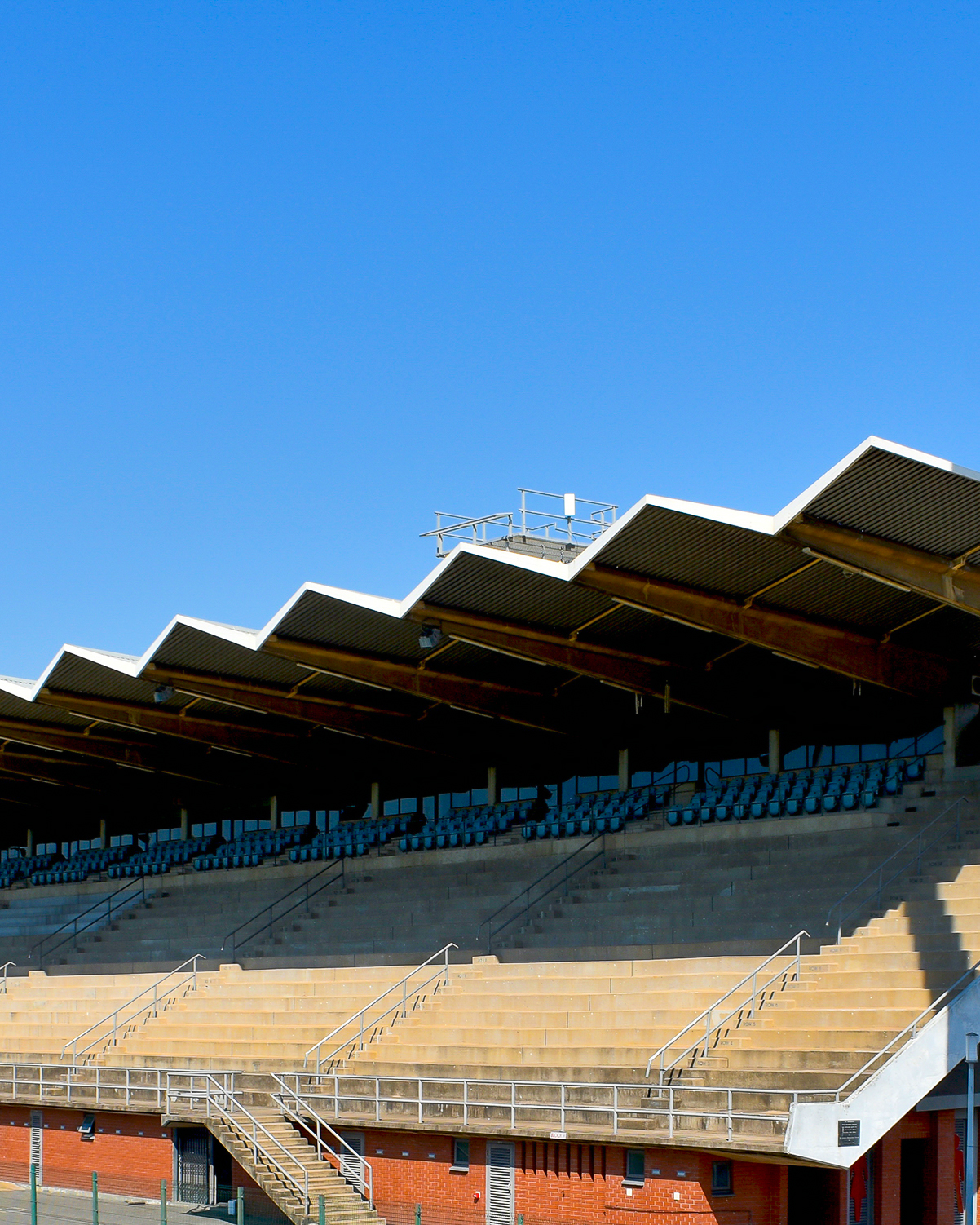
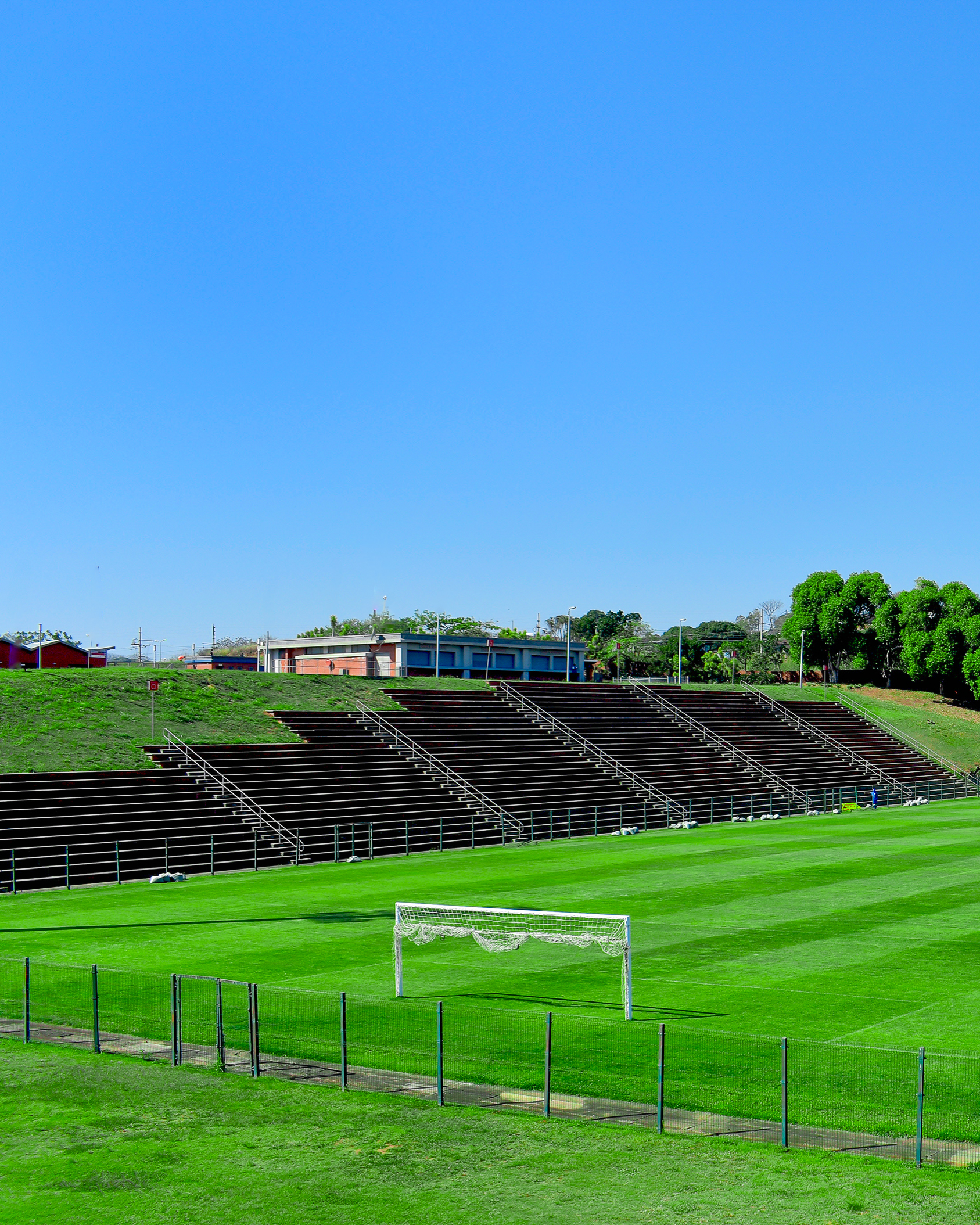
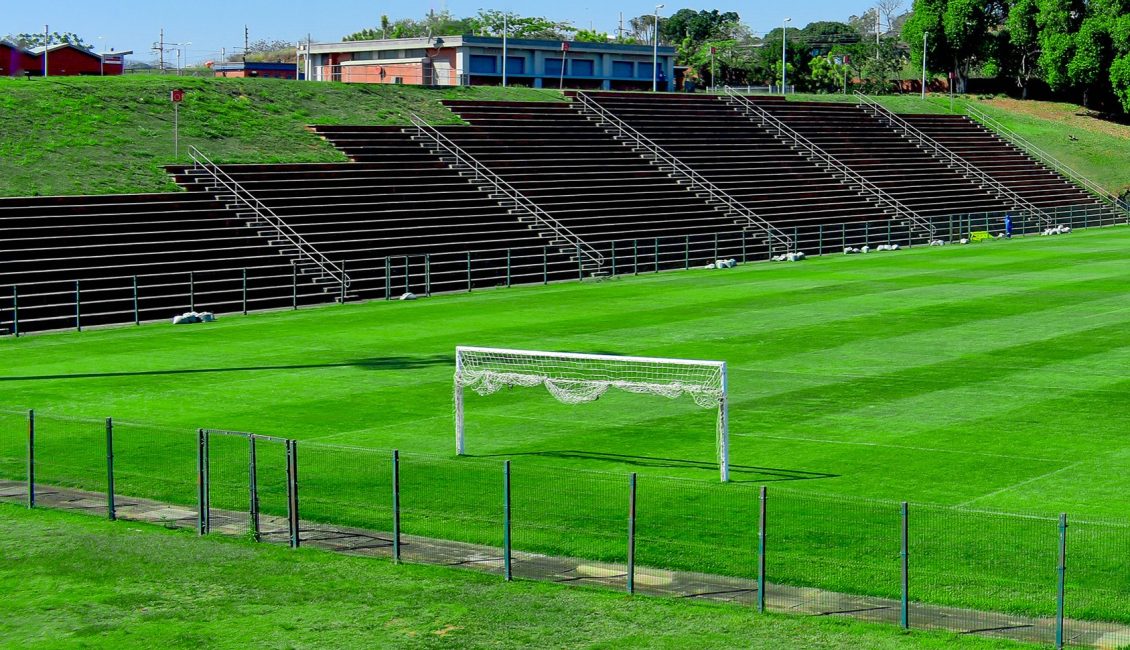
Originally constructed with a seating capacity of approximately 5,000 spectators, the stadium underwent a major upgrade around 2009/2010 in preparation for the 2010 FIFA World Cup. As part of this redevelopment, the capacity was expanded to approximately 10,000 seats. While it was earmarked as a potential World Cup training venue, logistical considerations resulted in limited use during the tournament period.
The investment nevertheless delivered lasting infrastructure improvements, positioning the stadium as a strengthened community asset well beyond the World Cup cycle.
The facility is owned and operated by the eThekwini Metropolitan Municipality under the Stadia and Facilities Unit.
Facilities & Capacity Overview
King Zwelithini Stadium offers a range of facilities that support both professional sporting requirements and community events:
-
Main bowl capacity of approximately 10,000 spectators
-
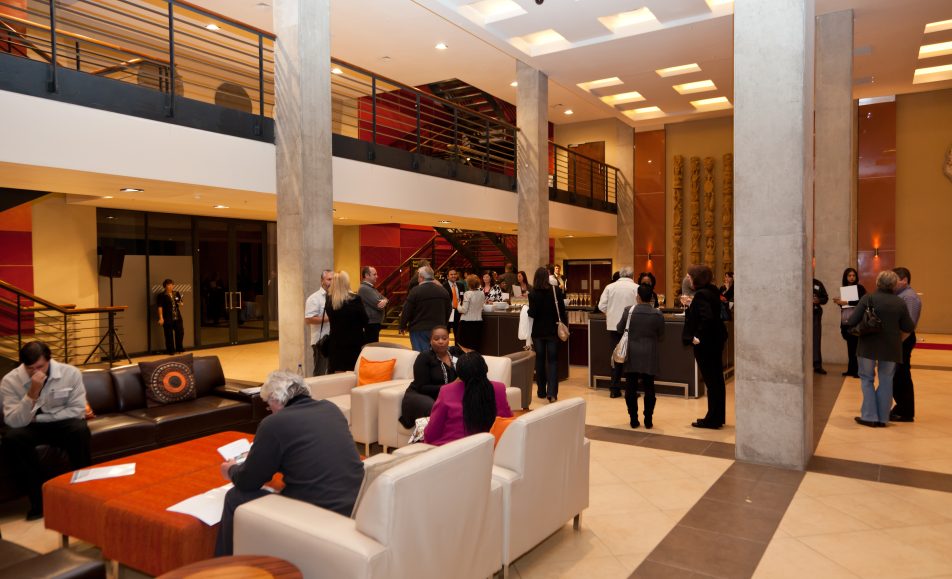
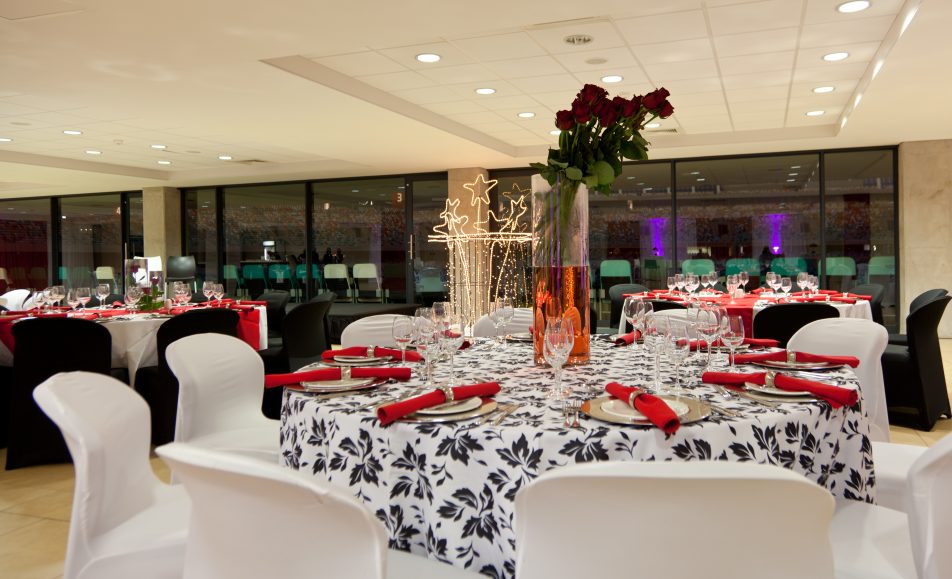
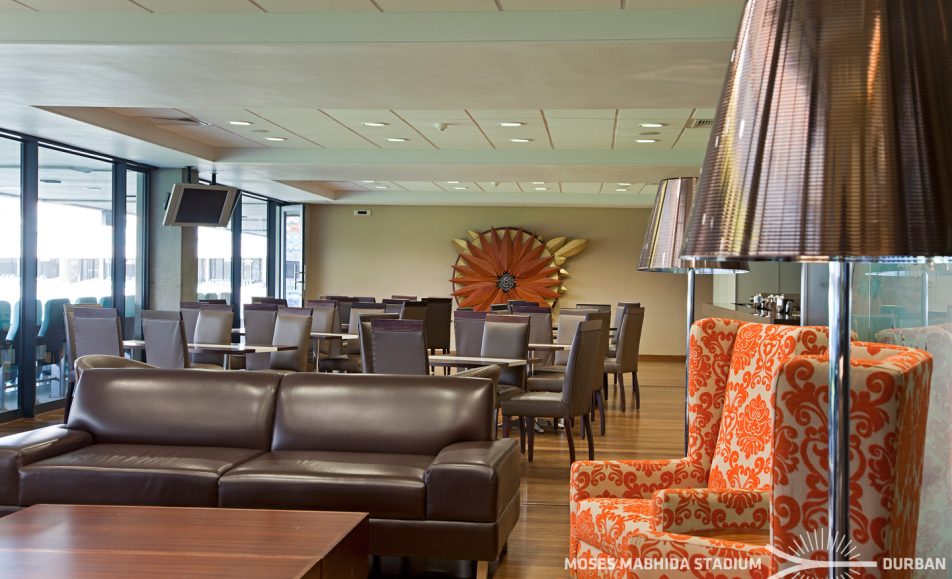
VIP Suite accommodating up to 200 guests
-
Function room with a capacity of 40 people
-
Boardroom facility for up to 26 people
-
350 parking bays
-
6 paraplegic-accessible facilities
These features enable the venue to host football fixtures, corporate engagements, community meetings and special events.
Community Role
Umlazi has a strong football culture, and King Zwelithini Stadium serves as a vital hub for local sporting activity. Beyond football, the venue also accommodates cultural gatherings and community-driven initiatives.
The 2010-era upgrades created a legacy facility that continues to contribute meaningfully to township development, providing structured infrastructure for sport, events and social engagement within the southern region of Durban.